🚗 Reliability Over Luxury: Why Peace of Mind Has No Price Tag
The Nightmare of a Broken Dream Car
Imagine this scenario: You finally visit the showroom, eyes locked on your dream car. You stretch your budget for the top-end model, book it, wait for months, and then, the day finally arrives. You and your family are ecstatic as you take delivery.
But just five days after your purchase, as you head to work, your car starts... but the gear won't shift into Drive.
How would you feel?
You call a tow truck and skip half a day of work. The service center is supportive, but they tell you it will take time. They fix the vehicle, and you assume it was a minor glitch.
Then, a month later, it happens again. And then again after six months. Each incident, though resolved by a supportive company, comes at a cost to you: a canceled weekend trip, a frantic search for an alternative vehicle for a family wedding, and the slow erosion of your peace of mind. You start questioning your expensive decision.
This experience highlights a crucial truth: There is no price tag for reliability.

Reliability is a Culture: The Market Leader Secret
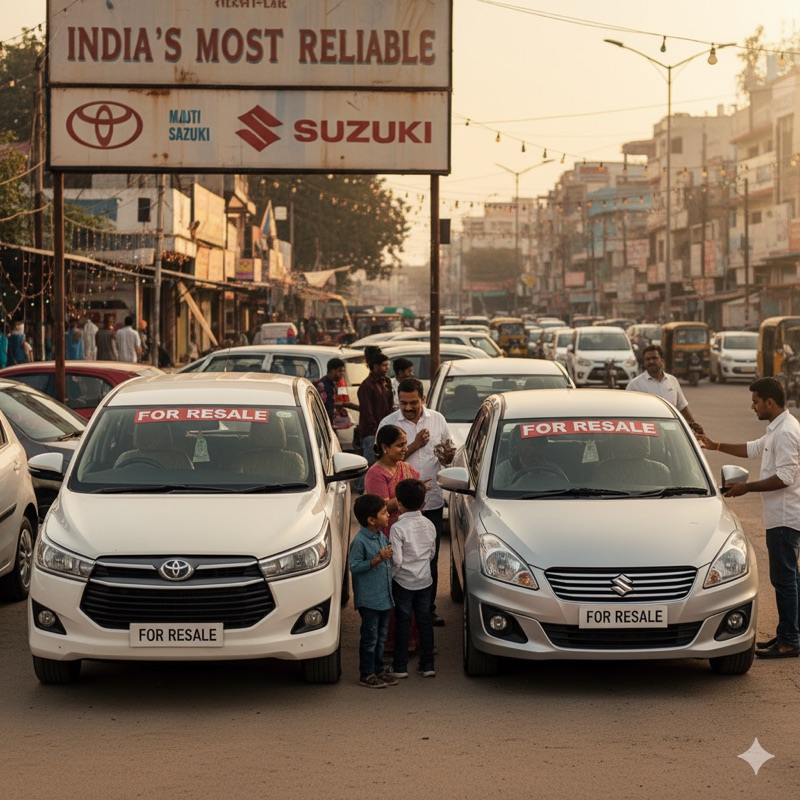
Have you ever wondered why the Toyota Innova has dominated its segment for over 20 years, or why Maruti-Suzuki remains the consistent market leader in India?
We Indians are value-conscious, and for us, a reliable product commands a great resale value. Many car enthusiasts who focus on exterior build quality often dismiss these brands, commenting on "light sheet metal" or "poor plastics."
However, cars like these are engineered to be lightweight and built to a cost, especially those under ₹10 lakhs. While a Maruti Dzire may not last a million kilometers like a Toyota Camry, it is engineered to easily deliver 3-4 lakh kilometers of trouble-free performance for its price point.
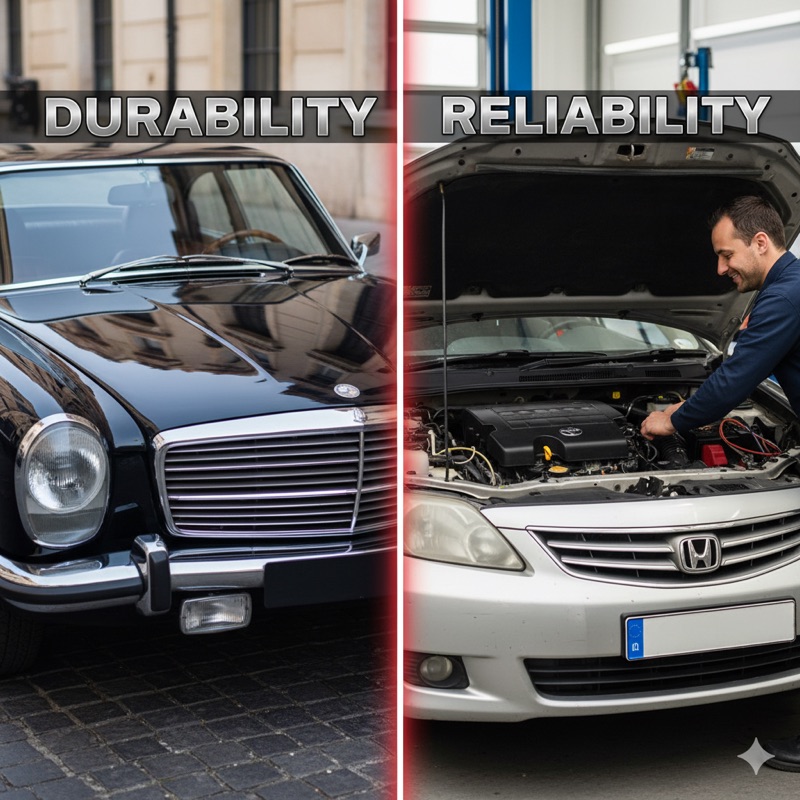
The Difference Between Reliability and Durability
It's important to distinguish between two key concepts:
| Feature | Reliability | Durability |
| Definition | The likelihood of not breaking down. | The ability to last a long time (30-40 years). |
| Focus | Consistent, trouble-free operation. | High-strength materials, premium finishes. |
| Technology | Tried and tested features and components. | The latest, cutting-edge technology. |
| Example Issues | Electrical glitches, transmission problems. | Minimal structural or material wear. |
Premium cars are often incredibly durable—built with high-strength metal, top-notch paint, and quality plastics. But they can struggle with reliability. Complex gearboxes and sophisticated electrical problems are common.
A truly reliable car will rarely have the absolute latest technology. Instead, it relies on proven components, shared engines, and transmissions. Customers of these no-nonsense cars expect a quick fix if something fails because the service team has vast experience with these time-tested parts.
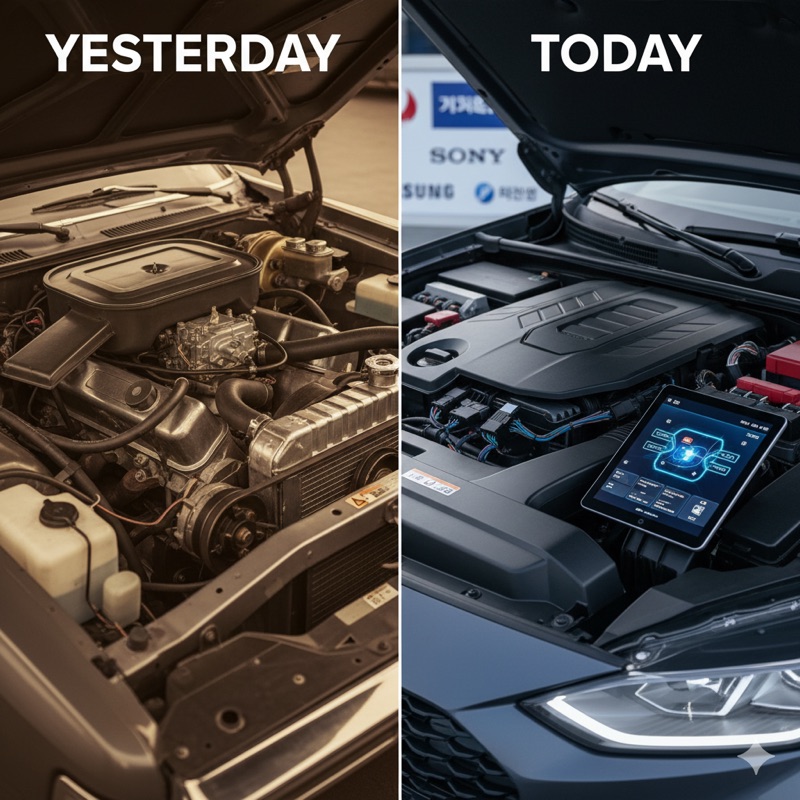
The Challenge of Modern Electronics
Older cars were primarily 80-85% mechanical and 15-20% electrical, mainly for the AC, lights, and wipers. Today, vehicles contain 40-45% electronics, from keyless entry to countless sensors and display screens.
This shift means brands that once focused on 15% electrical components now deal with 40% complexity. This is why Japanese and Korean cars often have fewer issues with in-car electronics; countries like Japan and South Korea have an established DNA of manufacturing great electronics (think Sony and Samsung). Their expertise in this field naturally extends to their automotive brands.
The 5% Risk: Manufacturing Defects
In the automotive industry, it's an unfortunate truth that for some companies, about 10% of vehicles coming out of the plant will have a manufacturing defect. While 95% of cars run perfectly, what if the vehicle allotted to you is part of that unlucky 5% ? Many of defect are fixed on warrenty. What if unable to diagnose ?
The first owner often has to live with the stress. If they are financially comfortable, they might sell the car and buy peace of mind. If they are committed to a loan, they often wait until the warranty expires and then sell it. The second owner, unaware of the history, then buys a "defect " vehicle, and the original, unresolved manufacturing problem simply vanishes into the used car market. The second owner thinks he bought poorly maintained Vehicle.
Conclusion: Know Your Priority
In summary, you cannot expect a single car to be: Luxury, Stylish, Durable, Reliable, feature the Latest Tech, have Great Interiors, and offer Excellent Customer Service.
Your final choice must be based solely on what you want most and what you are willing to compromise on. For many, the greatest luxury is the peace of mind that comes with unquestionable reliability.


Comments
Post a Comment